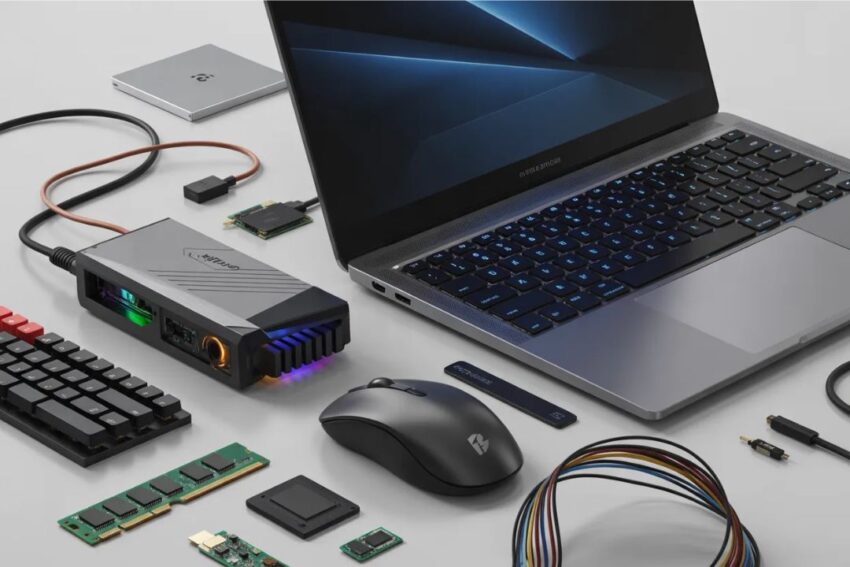
In a world driven by digital transformation and infrastructure growth, everyday electronics and industrial-strength hardware supplies play a vital role in both personal convenience and large-scale industrial operations. From smartphones and home appliances to heavy-duty machinery and commercial-grade tools, modern living depends on reliable, high-performance technology built to last.
Consumers demand smart, efficient devices for daily use, while industries require rugged, durable hardware capable of operating under extreme conditions. This comprehensive, SEO-optimized guide explores the importance, applications, benefits, and future trends of everyday electronics and industrial-strength hardware supplies.
Understanding Everyday Electronics
Everyday electronics refer to commonly used digital devices designed for convenience, communication, entertainment, and productivity. These devices are built for consistent daily use while offering performance, efficiency, and user-friendly features.
Examples of Everyday Electronics
- Smartphones
- Laptops and tablets
- Smart home devices
- Televisions and audio systems
- Kitchen appliances
- Wearable technology
Global brands like Apple, Samsung, and Sony design innovative consumer electronics that combine functionality with durability.
Key Features of Modern Everyday Electronics
Today’s electronics integrate advanced technologies that enhance user experience:
- AI-powered performance optimization
- Energy-efficient processors
- Touchscreen and voice-control capabilities
- Wireless connectivity (Wi-Fi, Bluetooth, 5G)
- Smart automation integration
- Cloud synchronization
Semiconductor leaders like Qualcomm and Intel power many of these consumer devices with advanced chipsets.
The Rise of Smart Home Electronics
Smart home technology has become a standard feature in modern households. Connected lighting systems, security cameras, thermostats, and appliances enhance convenience and energy efficiency.
Technology ecosystems developed by Google and Amazon allow seamless device integration and voice-controlled management.
Benefits of Smart Home Electronics
- Improved energy management
- Remote monitoring and control
- Enhanced home security
- Increased comfort and automation
- Reduced utility costs
Smart electronics make daily life more efficient and secure.
What Are Industrial-Strength Hardware Supplies?
Industrial-strength hardware supplies are heavy-duty tools, machinery, and components designed for rigorous environments and demanding workloads. These products prioritize durability, performance, and long service life.
Examples Include:
- Heavy machinery
- Industrial power tools
- Reinforced fasteners and fixtures
- Commercial-grade servers
- Industrial networking equipment
- Construction hardware
Manufacturers such as Bosch and Caterpillar Inc. are known for producing rugged industrial equipment.
The Importance of Industrial-Grade Durability
Industrial environments often involve extreme temperatures, vibration, moisture, and heavy operational loads. Hardware supplies must withstand these conditions to ensure:
- Continuous operation
- Worker safety
- Reduced downtime
- Lower maintenance costs
- Long-term cost efficiency
Durability is not just a feature—it is a necessity in industrial settings.
Professional-Grade Tools and Equipment
Construction, manufacturing, and energy sectors rely on professional-grade tools for precision and strength.
Companies like DeWalt and Makita produce high-performance tools designed for reliability and extended use.
Essential Tool Features
- Reinforced casing
- High-torque motors
- Ergonomic design
- Shock resistance
- Long battery life (for cordless tools)
Professional-grade tools improve productivity and reduce operational risks.
Industrial Electronics and Automation
Beyond physical hardware, industrial electronics are critical for automation and control systems.
Companies such as Siemens and Schneider Electric provide industrial control panels, programmable logic controllers (PLCs), and energy management systems.
Applications of Industrial Electronics
- Factory automation
- Power grid management
- Smart manufacturing
- Oil and gas monitoring
- Transportation systems
Reliable electronics ensure efficiency and precision in industrial operations.
Data Centers and Enterprise Hardware Supplies
Industrial-strength hardware is also vital in enterprise IT infrastructure. Data centers require robust servers, cooling systems, and networking equipment.
Technology providers like Dell Technologies and Cisco deliver enterprise-grade hardware designed for scalability and security.
Key Enterprise Hardware Features
- Redundant power systems
- Advanced thermal management
- High-capacity storage arrays
- Secure networking protocols
- Fault-tolerant architecture
Reliable hardware keeps businesses connected and operational.
Energy Efficiency in Modern Electronics
Energy efficiency is increasingly important for both everyday electronics and industrial hardware.
Manufacturers are focusing on:
- Low-power chipsets
- Smart energy monitoring
- Eco-friendly materials
- Modular upgrade systems
- Reduced carbon emissions
Energy-efficient solutions lower operational costs and contribute to environmental sustainability.
Cybersecurity and Hardware Protection
With digital expansion comes increased cybersecurity risk. Industrial and consumer electronics now integrate hardware-based security features such as:
- Secure boot systems
- Hardware encryption
- Biometric authentication
- Multi-layered firewall protection
These security measures protect sensitive data and ensure system integrity.
Benefits of Combining Everyday Electronics with Industrial-Strength Hardware
When homes and businesses integrate reliable electronics with durable hardware supplies, they gain:
- Enhanced operational reliability
- Improved productivity
- Reduced repair and replacement costs
- Greater energy efficiency
- Long-term investment value
- Increased safety standards
- Scalability for future growth
The synergy between smart electronics and rugged hardware creates sustainable systems.
Challenges in Procurement and Deployment
While the advantages are clear, challenges may include:
- High upfront investment
- Compatibility with existing systems
- Supply chain disruptions
- Rapid technological updates
- Cybersecurity threats
Strategic sourcing and partnerships with reputable manufacturers help mitigate these issues.
Future Trends in Electronics and Hardware Supplies
The future of everyday electronics and industrial-strength hardware includes:
- AI-powered automation
- Edge computing integration
- Advanced semiconductor miniaturization
- Sustainable manufacturing innovations
- Smart city infrastructure
- Autonomous industrial robotics
Technological advancements will continue enhancing performance, efficiency, and durability.
Choosing the Right Electronics and Hardware Supplies
When selecting products, consider:
- Intended application
- Environmental conditions
- Performance requirements
- Safety certifications
- Warranty and support
- Energy consumption ratings
- Scalability options
Proper evaluation ensures optimal long-term performance.
Conclusion
Everyday electronics and industrial-strength hardware supplies are fundamental to modern life and global industry. From smart home devices and personal computing equipment to heavy-duty machinery and enterprise infrastructure, these technologies shape how we live, work, and build.
As innovation accelerates, the integration of intelligent electronics with rugged, durable hardware will continue driving efficiency, productivity, and sustainability. Whether for personal use or large-scale industrial operations, investing in reliable, high-quality hardware ensures performance, safety, and long-term value.
In an increasingly connected world, success depends on electronics that are smart enough for daily life and hardware strong enough to power industry.