Introduction
In the modern digital world, computing technology plays a crucial role in storing, processing, and managing data. For many years, organizations relied on traditional computing systems, which involved using local servers, physical hardware, and on-site infrastructure to run applications and store information. However, with the rapid growth of the internet and digital technologies, cloud computing has emerged as a powerful alternative.
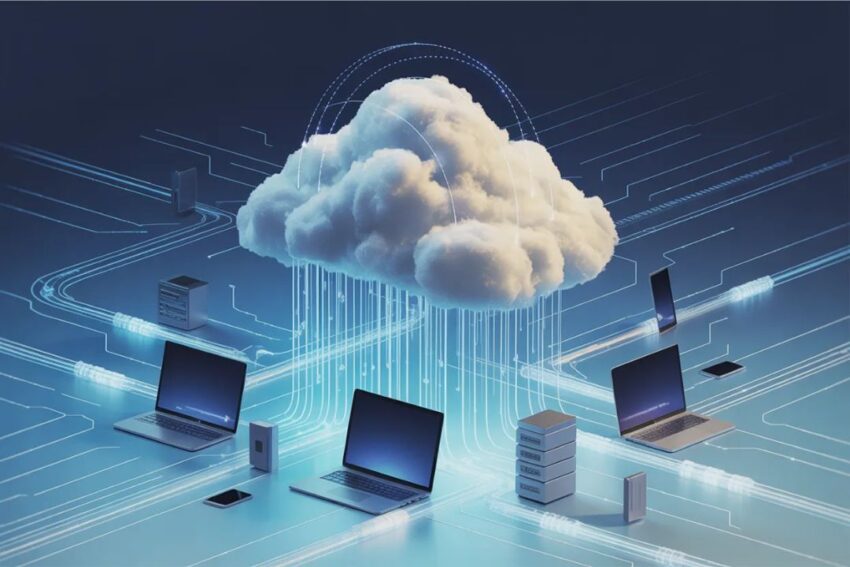
Cloud computing allows users to access computing resources such as servers, storage, databases, and software through the internet without the need for physical infrastructure. This technology has transformed the way businesses operate, making computing more flexible, scalable, and cost-efficient.
Understanding the differences between cloud computing and traditional computing is important for organizations when choosing the most suitable technology for their operations. This article explores both computing models, comparing their features, advantages, limitations, and impact on modern technology.
Understanding Traditional Computing
Traditional computing refers to the conventional method of storing data and running applications using local servers and physical hardware located within an organization’s premises.
In this model, companies purchase their own infrastructure, including servers, networking equipment, storage devices, and software licenses. All data processing and storage take place within the organization’s internal systems.
Traditional computing requires an IT team to manage hardware installation, system maintenance, software updates, and security.
Although this system provides full control over infrastructure, it also involves significant costs and operational challenges.
Understanding Cloud Computing
Cloud computing is a technology that delivers computing services through the internet. Instead of maintaining local hardware, users access remote servers hosted in large data centers managed by cloud service providers.
These providers offer computing resources on demand, allowing users to scale their usage according to their needs.
Cloud services generally operate under three main models:
- Infrastructure as a Service (IaaS)
- Platform as a Service (PaaS)
- Software as a Service (SaaS)
Through these models, organizations can run applications, store data, and manage systems without owning physical infrastructure.
Cloud computing has become widely popular because it offers flexibility, scalability, and reduced operational costs.
Key Differences Between Cloud Computing and Traditional Computing
Although both computing models serve similar purposes, they differ significantly in several aspects.
Infrastructure
In traditional computing, organizations must purchase and maintain their own hardware and infrastructure. This includes servers, storage devices, networking equipment, and data centers.
Cloud computing eliminates the need for physical infrastructure because all resources are hosted remotely by cloud service providers.
Cost Structure
Traditional computing requires large initial investments in hardware, software licenses, and infrastructure setup.
Cloud computing follows a pay-as-you-go model, where users only pay for the resources they consume. This makes cloud services more cost-efficient, especially for small and medium-sized businesses.
Scalability
Scalability is one of the major differences between the two systems.
In traditional computing, increasing computing capacity requires purchasing additional hardware, which can be expensive and time-consuming.
Cloud computing allows organizations to scale resources instantly based on demand, making it highly flexible.
Maintenance and Management
In traditional computing systems, organizations must handle maintenance tasks such as hardware repairs, software updates, and security monitoring.
Cloud computing providers manage most of these responsibilities, allowing businesses to focus on their core activities.
Accessibility
Traditional computing systems are usually limited to specific locations where the infrastructure is installed.
Cloud computing allows users to access applications and data from anywhere with an internet connection, enabling remote work and global collaboration.
Advantages of Cloud Computing
Cloud computing offers several benefits compared to traditional computing systems.
Cost Efficiency
One of the biggest advantages of cloud computing is its cost efficiency. Organizations do not need to invest heavily in hardware and infrastructure.
Instead, they can subscribe to cloud services and pay only for what they use.
Scalability and Flexibility
Cloud platforms allow businesses to scale resources up or down depending on their requirements. This flexibility is especially useful for organizations that experience fluctuating workloads.
Remote Access and Collaboration
Cloud computing enables employees to access data and applications from different locations. This supports remote work environments and improves collaboration among teams.
Automatic Updates
Cloud service providers regularly update their systems with the latest software versions and security patches. This reduces the burden on internal IT teams.
Disaster Recovery
Cloud computing offers reliable backup and disaster recovery solutions, ensuring that data can be restored quickly in case of system failures.
Advantages of Traditional Computing
Despite the growing popularity of cloud computing, traditional computing still offers certain advantages.
Full Control Over Infrastructure
Organizations that use traditional computing have complete control over their hardware, software, and security systems.
This can be beneficial for businesses with strict security requirements.
Data Privacy
Some organizations prefer to store sensitive data locally rather than on remote cloud servers to maintain greater control over privacy.
Internet Independence
Traditional systems do not rely heavily on internet connectivity. This makes them suitable for environments where internet access may be unreliable.
Limitations of Cloud Computing
Although cloud computing offers many benefits, it also has certain limitations.
Internet Dependency
Cloud services require stable internet connectivity. Without internet access, users may not be able to retrieve their data or applications.
Security Concerns
Since data is stored on remote servers, organizations may have concerns about data privacy and security.
However, most cloud providers invest heavily in advanced security technologies.
Limited Control
Organizations using cloud services have limited control over infrastructure because it is managed by third-party providers.
Limitations of Traditional Computing
Traditional computing systems also have several disadvantages.
High Initial Costs
Setting up traditional infrastructure requires significant investment in hardware, software, and facilities.
Limited Scalability
Expanding traditional systems requires purchasing new equipment and upgrading infrastructure, which can be costly and time-consuming.
Maintenance Burden
Organizations must manage hardware maintenance, security updates, and technical support, which increases operational complexity.
Use Cases of Both Computing Models
Different organizations may choose either cloud computing or traditional computing depending on their needs.
Cloud computing is commonly used by:
- Startups and small businesses
- Online services and web applications
- Remote work environments
- Data analytics and artificial intelligence systems
Traditional computing is often preferred by:
- Government institutions with strict security requirements
- Organizations handling highly confidential data
- Businesses with existing infrastructure investments
Some organizations also adopt hybrid systems that combine both cloud and traditional computing.
Future of Computing Technology
The future of computing is moving toward cloud-based systems due to their flexibility and scalability. Technologies such as artificial intelligence, big data analytics, and the Internet of Things depend heavily on cloud infrastructure.
However, traditional computing will still remain relevant in certain industries that require high levels of control and security.
Many organizations are now adopting hybrid cloud environments, which combine the benefits of both computing models.
Conclusion
Cloud computing and traditional computing represent two different approaches to managing computing resources. Traditional computing relies on physical infrastructure located within an organization, while cloud computing provides remote access to computing services through the internet.
Cloud computing offers advantages such as cost efficiency, scalability, remote accessibility, and simplified maintenance. On the other hand, traditional computing provides greater control over infrastructure and may offer better privacy for sensitive data.
The choice between these two systems depends on an organization’s needs, budget, and security requirements. As digital technology continues to evolve, cloud computing is expected to play an increasingly important role in shaping the future of information technology.