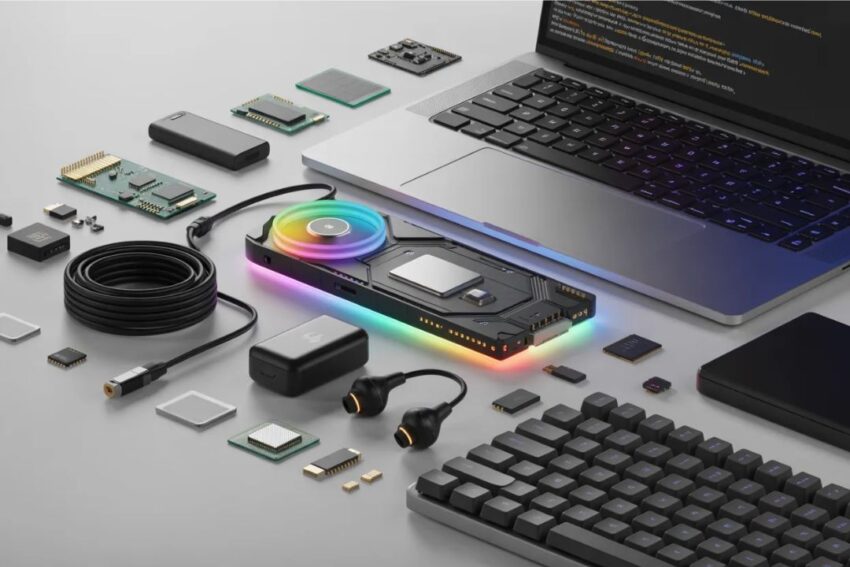
In an increasingly connected and technology-driven world, high-performance electronics and reliable hardware solutions form the backbone of modern infrastructure, businesses, and households. From enterprise data centers and industrial automation systems to smart homes and personal computing devices, the demand for speed, durability, efficiency, and long-term reliability continues to grow.
Organizations and consumers alike seek electronic systems that deliver superior processing power, seamless connectivity, energy efficiency, and long service life. This article explores the evolution, components, benefits, applications, and future of high-performance electronics and dependable hardware solutions in today’s competitive and innovation-focused environment.
Understanding High-Performance Electronics
High-performance electronics refer to advanced electronic systems engineered to deliver exceptional speed, efficiency, and processing capability. These systems are designed to handle intensive workloads such as artificial intelligence (AI), big data analytics, gaming, scientific simulations, telecommunications, and industrial automation.
Core Characteristics
High-performance electronics typically offer:
- Advanced processors and chipsets
- High-speed memory (RAM)
- Solid-state storage solutions
- Efficient thermal management systems
- Optimized power consumption
- Enhanced security features
Leading semiconductor companies like Intel, AMD, and NVIDIA continuously push innovation boundaries in CPU and GPU technologies, enabling faster and more efficient systems.
The Importance of Reliable Hardware Solutions
Reliable hardware solutions are built to withstand operational stress, environmental conditions, and long-term use without compromising performance. Hardware reliability is crucial for industries where downtime can result in significant financial losses or safety risks.
Key Benefits of Reliable Hardware
- Reduced system failures
- Lower maintenance costs
- Improved operational efficiency
- Increased system lifespan
- Enhanced data protection
Reliable hardware is especially critical in sectors such as healthcare, manufacturing, telecommunications, and financial services.
Enterprise-Grade Computing Systems
Businesses rely heavily on enterprise-grade electronics for data processing, cloud storage, and cybersecurity. Robust servers, networking equipment, and storage systems must provide consistent uptime and high-speed performance.
Companies like Dell Technologies and Hewlett Packard Enterprise develop scalable server infrastructures that power global enterprises.
Features of Enterprise Hardware
- Redundant power supplies
- Advanced cooling systems
- RAID storage configurations
- High-bandwidth networking
- Virtualization support
These features ensure data integrity and uninterrupted business operations.
High-Performance Components That Drive Modern Systems
1. Advanced Processors (CPUs & GPUs)
Modern CPUs and GPUs handle complex tasks including AI training, machine learning, 3D rendering, and scientific research. Graphics processing units from NVIDIA and AMD dominate high-performance computing environments.
2. Solid-State Drives (SSD)
SSDs offer faster data access speeds compared to traditional hard drives. They improve system boot times, application performance, and reliability due to the absence of moving parts.
3. High-Speed Memory (RAM)
DDR5 and advanced memory modules enable smoother multitasking and data processing efficiency.
4. Cooling and Thermal Solutions
Efficient cooling systems prevent overheating and ensure consistent performance under heavy workloads.
Industrial-Grade Electronics for Harsh Environments
Industrial environments require rugged electronics capable of withstanding extreme temperatures, vibrations, dust, and humidity.
Global engineering leaders like Siemens and Schneider Electric manufacture industrial automation hardware known for durability and precision.
Applications Include:
- Factory automation
- Power grid management
- Oil and gas operations
- Transportation systems
- Smart manufacturing
Reliable industrial hardware minimizes downtime and maximizes production efficiency.
Networking Infrastructure and Connectivity
Reliable networking hardware ensures seamless communication across devices and locations. High-speed routers, switches, and firewalls are essential for businesses and smart environments.
Companies like Cisco provide enterprise networking solutions that enhance security, scalability, and speed.
Key Networking Features
- High bandwidth capacity
- Low latency performance
- Secure encryption protocols
- Scalable architecture
- Cloud integration capabilities
Modern businesses cannot operate effectively without robust networking infrastructure.
Energy Efficiency and Sustainability in Hardware Design
Energy-efficient electronics reduce operational costs and environmental impact. High-performance hardware must balance power consumption with output efficiency.
Manufacturers are focusing on:
- Energy-efficient chip architectures
- Smart power management systems
- Eco-friendly manufacturing processes
- Modular hardware designs for easy upgrades
Sustainable hardware solutions contribute to reduced carbon footprints and long-term savings.
Reliable Hardware for Data Centers
Data centers are the foundation of cloud computing, online services, and digital communication. Hardware in these facilities must deliver maximum uptime and fault tolerance.
Critical components include:
- Redundant power systems
- Backup generators
- High-capacity servers
- Advanced cooling technologies
- Secure storage solutions
Global cloud providers like Amazon Web Services and Microsoft rely on cutting-edge hardware infrastructure to support millions of users worldwide.
High-Performance Consumer Electronics
High-performance electronics are not limited to enterprise environments. Consumers demand powerful laptops, gaming systems, and smart devices capable of handling intensive applications.
Brands such as Apple and Samsung design premium devices that combine speed, durability, and sleek design.
Popular Consumer Applications
- Gaming systems
- Video editing and content creation
- Remote work setups
- Virtual reality experiences
- Smart home integration
High-performance consumer electronics enhance productivity and entertainment experiences.
Cybersecurity and Hardware Reliability
Hardware-level security is increasingly important in protecting sensitive data. Secure chipsets, biometric authentication, and encrypted storage systems strengthen cybersecurity frameworks.
Reliable hardware reduces vulnerability to system failures and cyberattacks by incorporating:
- Secure boot systems
- Hardware encryption
- Trusted platform modules (TPM)
- Multi-factor authentication
As cyber threats evolve, hardware-based security solutions become more critical.
The Role of AI and Automation
Artificial Intelligence (AI) significantly enhances hardware performance through predictive maintenance and automation. AI-enabled systems can:
- Detect anomalies
- Optimize performance
- Reduce energy consumption
- Prevent hardware failures
High-performance computing platforms accelerate AI model training and deployment across industries.
Selecting the Right Hardware Solution
Choosing high-performance electronics and reliable hardware requires careful evaluation of several factors:
- Performance requirements
- Environmental conditions
- Scalability needs
- Compatibility with existing systems
- Energy efficiency ratings
- Vendor support and warranty
- Total cost of ownership
Businesses must align hardware investments with long-term operational goals.
Challenges in High-Performance Hardware Deployment
Despite technological advancements, challenges remain:
- High initial investment costs
- Rapid technological evolution
- Integration complexities
- Power consumption concerns
- Cybersecurity risks
Strategic planning and expert consultation help mitigate these challenges.
Future Trends in High-Performance Electronics
The future of high-performance electronics and reliable hardware solutions includes:
- Quantum computing advancements
- Edge computing expansion
- AI-driven hardware optimization
- 5G-enabled infrastructure
- Sustainable semiconductor manufacturing
- Advanced nanotechnology integration
Innovation continues to drive efficiency, speed, and reliability across industries.
Why High-Performance and Reliability Go Hand in Hand
Performance without reliability leads to instability, while reliability without performance limits productivity. The combination of both ensures:
- Business continuity
- Competitive advantage
- Improved user experience
- Reduced downtime
- Long-term return on investment
Organizations that prioritize both elements position themselves for sustainable growth and technological leadership.
Conclusion
High-performance electronics and reliable hardware solutions are essential pillars of modern digital transformation. Whether powering enterprise data centers, industrial automation systems, or personal computing devices, these technologies enable speed, efficiency, and long-term operational stability.
By investing in advanced processors, durable components, energy-efficient systems, and secure infrastructure, businesses and consumers can ensure maximum performance and reliability. As innovation accelerates, the integration of AI, sustainable design, and next-generation computing technologies will further redefine how we experience and benefit from modern electronics.
In a world where performance and uptime determine success, choosing the right hardware solutions is not just an option—it is a strategic necessity.