Introduction to Cloud Computing
Cloud computing is one of the most important technologies in today’s digital world. From small businesses to large enterprises, everyone is using cloud computing to store data, run applications, and improve performance. If you use Google Drive, watch movies on Netflix, or store photos online, you are already using cloud computing.
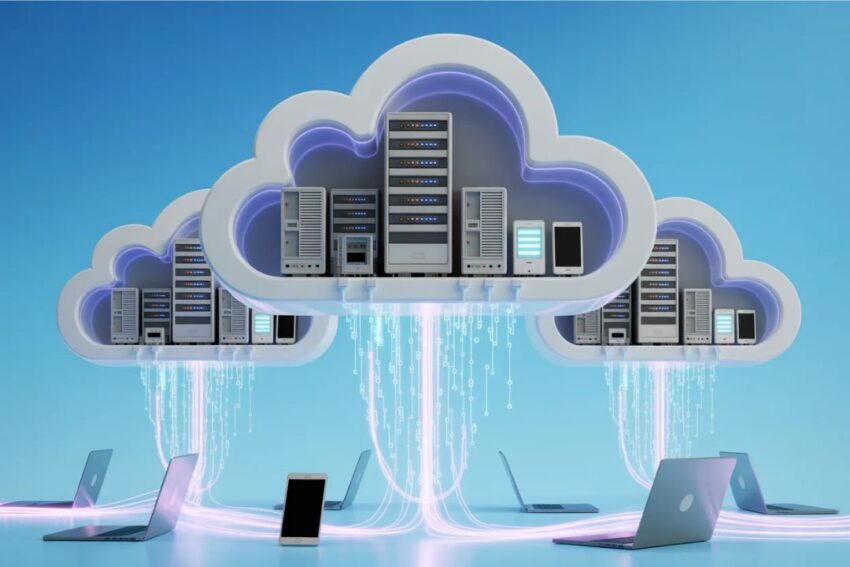
In simple words, cloud computing means delivering computing services like storage, servers, networking, software, and databases over the internet (the cloud). Instead of using physical hardware or personal computers to manage data and applications, cloud computing allows users to access everything online.
Today, companies like Amazon Web Services, Microsoft Azure, and Google Cloud provide powerful cloud services that businesses use daily.
In this SEO-based article, you will learn everything about cloud computing, including its types, benefits, working process, features, and future trends.
What Is Cloud Computing?
Cloud computing is a technology that allows users to access computing resources through the internet without owning physical hardware. These resources include:
- Storage
- Servers
- Databases
- Networking
- Software
- Analytics
- Artificial intelligence tools
Instead of storing files on your computer’s hard drive, you can save them on cloud servers and access them anytime, anywhere with an internet connection.
For example, when you upload a file to Google Drive or use an online email service like Gmail, your data is stored on cloud servers rather than on your device.
Simple Definition
Cloud computing is the delivery of computing services over the internet to offer faster innovation, flexible resources, and cost savings.
How Cloud Computing Works
Cloud computing works through a network of remote servers hosted on the internet. These servers store, manage, and process data instead of a local server or personal computer.
Here’s how it works step by step:
- Data Storage – When you upload files or use an application online, the data is stored on cloud servers.
- Processing – Cloud servers process the data and perform tasks.
- Access – Users can access data and applications from anywhere using internet-connected devices.
- Security – Cloud providers protect data with encryption and security measures.
- Backup – Data is automatically backed up to prevent loss.
Cloud computing providers maintain data centers worldwide to ensure high performance and reliability.
Types of Cloud Computing
Cloud computing is divided into three main types based on deployment models.
1. Public Cloud
Public cloud services are provided by third-party companies over the internet. Anyone can use these services by paying a subscription fee.
Examples:
- Google Drive
- Dropbox
- Microsoft OneDrive
Advantages:
- Cost-effective
- Easy to use
- No maintenance required
- Scalable
Public cloud is best for small businesses and individuals.
2. Private Cloud
A private cloud is used by a single organization. It can be hosted on-site or by a third-party provider.
Advantages:
- High security
- Full control
- Customization
- Better performance
Private cloud is ideal for banks, government organizations, and large companies that need strong security.
3. Hybrid Cloud
Hybrid cloud combines public and private clouds. Businesses use both for better flexibility and performance.
Advantages:
- More flexibility
- Cost control
- Improved security
- Better scalability
Hybrid cloud is commonly used by modern enterprises.
Types of Cloud Services
Cloud computing services are also divided into three major categories.
1. Infrastructure as a Service (IaaS)
IaaS provides basic computing infrastructure like servers, storage, and networking.
Features:
- Virtual machines
- Storage
- Networking
- Pay-as-you-go pricing
Example: AWS EC2
Businesses use IaaS to build and manage their own applications.
2. Platform as a Service (PaaS)
PaaS provides a platform for developers to build, test, and deploy applications.
Features:
- Development tools
- Database management
- Application hosting
- Analytics tools
Developers can focus on coding without worrying about hardware.
3. Software as a Service (SaaS)
SaaS delivers software applications over the internet.
Examples:
- Gmail
- Zoom
- Microsoft Office 365
Users can access software through browsers without installing it.
Key Features of Cloud Computing
Cloud computing offers many powerful features that make it popular worldwide.
1. Scalability
Cloud services can easily scale up or down based on business needs.
2. Cost Efficiency
Businesses do not need to buy expensive hardware or servers.
3. Accessibility
Users can access data from anywhere with an internet connection.
4. Security
Cloud providers offer advanced security features like encryption and firewalls.
5. Automatic Updates
Cloud systems update automatically without user effort.
6. Backup and Recovery
Data is automatically backed up and easily recoverable.
Benefits of Cloud Computing
Cloud computing provides many advantages for businesses and individuals.
1. Reduced Costs
Companies save money on hardware, maintenance, and electricity.
2. Increased Speed
Cloud services provide fast performance and quick deployment.
3. Flexibility
Employees can work from anywhere using cloud tools.
4. Collaboration
Teams can collaborate in real time using cloud applications.
5. Data Security
Cloud providers use advanced security systems to protect data.
6. Disaster Recovery
Cloud systems provide quick recovery after data loss or cyberattacks.
Uses of Cloud Computing
Cloud computing is used in many industries.
1. Business
Companies use cloud computing for data storage, software, and communication.
2. Education
Students and teachers use cloud platforms for online learning.
3. Healthcare
Hospitals store patient records and use cloud-based systems.
4. Banking
Banks use cloud computing for secure transactions and data storage.
5. Entertainment
Streaming platforms like Netflix and Spotify rely on cloud computing.
6. E-commerce
Online stores use cloud servers to manage products and customers.
Cloud Computing Security
Security is a major concern in cloud computing. Cloud providers implement strong security measures such as:
- Data encryption
- Firewalls
- Multi-factor authentication
- Regular backups
- Monitoring systems
Users should also follow best practices like using strong passwords and enabling two-factor authentication.
Challenges of Cloud Computing
Although cloud computing has many benefits, it also has some challenges.
1. Internet Dependency
Cloud computing requires a stable internet connection.
2. Security Risks
Data breaches can occur if security is not strong.
3. Downtime
Sometimes cloud services may go offline temporarily.
4. Limited Control
Users have limited control over cloud infrastructure.
5. Data Privacy
Storing sensitive data online can raise privacy concerns.
Future of Cloud Computing
The future of cloud computing is very bright. Many new technologies are connected with cloud computing, including:
- Artificial intelligence (AI)
- Machine learning
- Internet of Things (IoT)
- Big data
- Blockchain
Businesses are moving towards digital transformation, and cloud computing plays a major role in it.
Experts predict that cloud computing will continue growing rapidly in the coming years as more companies shift to online systems.
Why Cloud Computing Is Important
Cloud computing is important because it makes technology easier, faster, and more affordable. It helps businesses grow, improves collaboration, and ensures data safety.
Without cloud computing, modern technologies like online streaming, remote work, and digital storage would not be possible.
Conclusion
Cloud computing is a powerful technology that has transformed the way businesses and individuals use digital services. It allows users to store data, run applications, and access services over the internet without managing physical hardware.
With benefits like cost savings, scalability, flexibility, and security, cloud computing has become essential in today’s digital world. From education and healthcare to banking and entertainment, cloud computing is used everywhere.
As technology continues to evolve, cloud computing will play an even bigger role in shaping the future. Businesses that adopt cloud technology can improve efficiency, reduce costs, and stay competitive in the modern market.